
Norwegian Bliss Passenger Airlifted by the Coast Guard: How Medical Evacuations at Sea Work
A Coast Guard helicopter lifted a passenger off the Norwegian Bliss at sea. Here is what was reported, how these rescues work, and what passengers and families can do.
TL;DR:
- What happened: On November 2, 2026, the U.S. Coast Guard airlifted a Norwegian Bliss passenger with a medical emergency about 32 miles off North Carolina.
- The outcome: The Coast Guard said the passenger arrived at a Virginia hospital in stable condition.
- What is not known: The passenger’s identity and the cause of the emergency have not been released, and nothing reported suggests anyone did anything wrong.
- Why it matters: A helicopter can reach a patient when the ship cannot, but not every emergency can be handled this way.
- For passengers: Know what cruise ship medical care can cover, check your travel insurance for evacuation and keep records if you or a family member needs help.
On Monday, November 2, 2026, the U.S. Coast Guard airlifted a passenger off the Norwegian Bliss about 32 miles off the coast of North Carolina after a medical emergency. The Coast Guard said the passenger was taken to a hospital in Virginia in stable condition, and video of the hoist has since been shared widely.
Rescues like this make the news, and they happen from time to time on cruises. They also raise a practical question for anyone who sails: what happens when you need more care than the ship can give? This article covers what was reported, how a medical evacuation at sea works and what passengers and families can do. It does not suggest that anyone did anything wrong, and the cause of the emergency has not been reported.
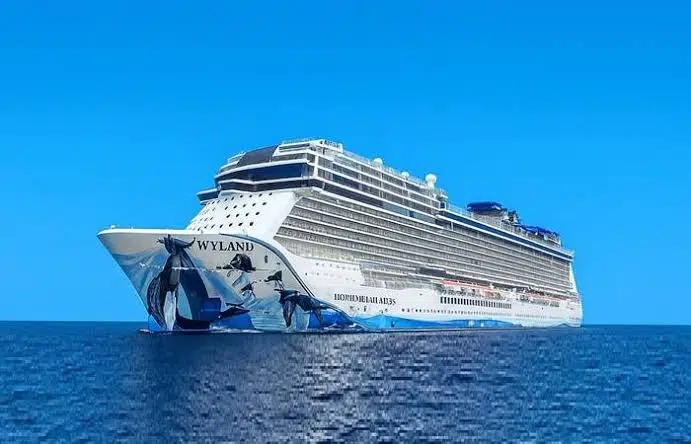
What Happened on the Norwegian Bliss?
According to PEOPLE’s report on the rescue, an aircrew from Coast Guard Air Station Elizabeth City was called to the Norwegian Bliss on Monday, November 2, while the ship was sailing about 32 miles off Oregon Inlet, N.C. Video released by the Coast Guard shows a crew member lowered from a helicopter to the ship’s helipad and the passenger being hoisted up in a basket stretcher. The ship is part of the Norwegian Cruise Line fleet.
| Item | What has been reported |
|---|---|
| Date | Monday, November 2, 2026 |
| Ship | Norwegian Bliss, Norwegian Cruise Line |
| Place | About 32 miles off Oregon Inlet, North Carolina |
| Responder | U.S. Coast Guard, Air Station Elizabeth City |
| Patient | A passenger with a medical emergency, whose name and age have not been released |
| Hospital | Sentara Norfolk General Hospital, Norfolk, Virginia |
| Condition | Stable when transferred, according to the Coast Guard |
| Cruise line comment | Norwegian Cruise Line had not responded to PEOPLE’s request for comment when it published |
Cruise Hive’s account of the evacuation notes that the ship was on a sea day, and Rus Tourism News coverage of the airlift points out that using a helicopter let the patient reach hospital care without the ship having to return to port. According to CruiseMapper, as cited by PEOPLE, the ship was on an eight-night round trip from New York that left on November 1.
Video: footage of the Coast Guard airlift from the Norwegian Bliss.
What Is Known About the Norwegian Bliss Evacuation, and What Is Not
- Known: The date, the place, the Coast Guard’s response, the hospital and the passenger’s stable condition on transfer.
- Not known: The passenger’s identity and age, the nature of the medical emergency and how treatment went afterward.
- Reports differ: PEOPLE describes a second passenger also being hoisted into the helicopter, while other reports describe one evacuated passenger.
Nothing in the reports points to a problem with the ship or the cruise line, and a medical emergency is not the same as an accident or an injury. It was not the only recent case. PEOPLE also noted that the Coast Guard evacuated an 81-year-old man from Windstar’s Star Pride about 150 nautical miles north of Puerto Rico on October 26, two days after the first request for help, and took him to a hospital in San Juan.
How a Medical Evacuation From a Cruise Ship Works
The details vary by location, the ship and the authorities involved, but a typical airlift follows a pattern like this one.
- The ship’s medical team assesses the patient: The doctor and nurses decide whether the patient can be treated aboard.
- The captain asks for help: If the patient needs care that the ship cannot give, the captain contacts the Coast Guard or the rescue authority that covers that part of the sea.
- Rescuers decide whether an airlift is possible: The choice depends on the patient’s condition, how far the ship is from shore, the weather and the range of the aircraft.
- A crew member is lowered: In the Norwegian Bliss video, a Coast Guard crew member descends from the helicopter to the ship’s helipad.
- The patient is hoisted: A basket stretcher, or a seat for a patient who can sit up, carries the person up to the aircraft.
- The patient is flown to a hospital: In this case, the destination was a hospital in Norfolk, Virginia.
- The ship continues its voyage: In many cases, the ship does not have to return to port, though that is the captain’s decision.
What a Cruise Ship Medical Center Can and Cannot Treat
Medical facilities aboard large passenger ships can provide first care for many conditions, but some emergencies need specialist treatment that is only available in a hospital on land. That is why a ship far from port may ask for a helicopter instead of turning around. What a ship’s medical center can realistically cover is worth knowing before you sail, especially on itineraries with long stretches at sea.
Ship medical centers are usually set up for common problems, such as minor injuries and stomach illness, and for stabilizing a patient who needs more. They are not a full hospital, and a serious emergency may call for help from outside the ship.
What to Do If You or a Family Member Needs Help at Sea
If you or someone you are traveling with needs urgent help at sea, these steps can protect both the person’s health and your options.
- Tell the crew right away: Use the ship’s emergency number, which is printed in your cabin, or go to the nearest crew member.
- Ask where the patient is going: Find out which hospital the person will be taken to, and how you will be able to reach them.
- Ask about the rest of your party: Ask guest services what happens to travel companions, the cabin and your belongings, because rules about who can travel with a patient vary.
- Keep your documents together: Gather your ticket, passports, travel insurance details and any medical information.
- Contact your insurer promptly: Many policies have notice requirements for emergency medical care.
- Write things down: Note times, names and what you were told, while it is fresh.
- Keep receipts: Save bills for medical care, transport, hotels and flights that the emergency caused.
Many of these steps overlap with what to do in the first 24 hours after a cruise injury, and they are worth following even when the emergency is an illness instead of an injury.
Questions about medical care at sea?
We can listen and tell you which deadlines may apply. The call is free.
Medical Evacuation Costs and Travel Insurance
Medical care at sea is not free, and a helicopter evacuation is a separate matter from the care on board. Who pays depends on the circumstances, the cruise line’s terms and the passenger’s insurance. As Rus Tourism News noted, not every travel insurance policy provides identical coverage for emergency evacuation or medical treatment abroad.
Before you sail, it helps to check whether your policy covers medical evacuation, how it treats transfers from a ship, whether it requires you to call the insurer within a set time, and whether it covers a travel companion who stays behind. If you already have a policy, read it now, not at the moment you need it.
When Questions About Care at Sea May Matter
Most medical emergencies at sea are no one’s fault, and nothing reported about the Norwegian Bliss suggests otherwise. Occasionally, though, questions come up about how care was handled. They can include whether a condition was recognized, whether treatment was delayed, whether a decision to evacuate was made in time and whether the ship’s medical staff had what they needed. Those questions can lead to cruise ship medical negligence claims, or to passenger accident claims on cruise ships when an injury is involved.
If you think something went wrong, keep your records and ask a lawyer to review them early. Knowing who to notify and who to sue is part of that, because the ticket often sets short time limits to give notice and to sue.
Frequently Asked Questions
What happened to the Norwegian Bliss passenger?
On November 2, 2026, a Coast Guard helicopter crew from Air Station Elizabeth City airlifted a passenger off the Norwegian Bliss about 32 miles off Oregon Inlet, North Carolina, after a medical emergency. The Coast Guard said the passenger was taken to a hospital in Norfolk, Virginia, in stable condition. The cause of the emergency has not been reported.
Can a cruise ship passenger be airlifted by helicopter?
Sometimes. Whether an airlift is possible depends on the passenger’s condition, how far the ship is from shore, the weather and the range of the available aircraft. When it is possible, a helicopter can move a patient to a hospital without the ship having to return to port.
Who pays for a medical evacuation from a cruise ship?
It depends on the circumstances, the cruise line’s terms and the passenger’s insurance. Not every travel insurance policy covers emergency evacuation or treatment abroad in the same way, so check your policy before you sail and ask about notice requirements.
What should I do if a family member is evacuated from a cruise ship?
Ask guest services which hospital the person is going to and how to stay in contact, keep your ticket, travel documents and insurance details together, and notify your insurer promptly. Keep records and receipts, and do not sign anything you do not understand.
Sources: PEOPLE, Rus Tourism News, Cruise Hive and the U.S. Coast Guard East District. This article reflects public reports available on November 6, 2026.
This article is for general information only and is not legal advice or medical advice. Reading it does not create an attorney-client relationship. It is based on public reports, no finding has been made about the cause of the emergency, and nothing in the reports suggests that the cruise line or anyone else did anything wrong. Every case depends on its own facts and the terms of the passenger ticket.
Hurt on a cruise?
Most cruise tickets give you one year to file. Talk to a maritime attorney about your case today.
Call (888) 866-5303Free and confidential
Related practice areas
More from the blog
All articles
268 Sick on the Caribbean Princess: Norovirus Confirmed After the Ship’s Second Outbreak This Year
The CDC now reports 268 sick on Princess Cruises’ Caribbean Princess and names norovirus as the cause. See how the count grew and what to do if you get sick on a cruise.
Man Overboard From Royal Caribbean’s Allure of the Seas: What Has Been Reported and How the Search Works
A man went overboard from Royal Caribbean’s Allure of the Seas off the Bahamas and the ship turned back to search. Here is what was reported and how overboard searches work.
Coast Guard Airlifts Passenger From Holland America’s Koningsdam: What Happened 80 Miles Off San Diego
The Coast Guard airlifted a 74-year-old passenger from Holland America’s Koningsdam about 80 miles off San Diego. Here is what was reported and how airlifts at sea work.
0 Comments