
Shore Excursion Injuries - Who is Actually Responsible
This post explains who can be held responsible for an excursion injury and what affects the answer.
TL;DR
The short version of this guide
- The fine print isn’t the final word. Cruise lines call excursion operators independent, but they can still be responsible for their own mistakes.
- How you booked matters. Excursions sold by the cruise line usually leave more ways to hold the line responsible than tours booked on your own.
- Common claims include choosing an unsafe operator, failing to warn about known dangers and marketing a tour as the cruise line’s own.
- Suing a foreign operator is hard, which is often why the cruise line’s role matters so much.
- Ticket deadlines usually apply, often 6 months for notice and 1 year to file a lawsuit against the cruise line.
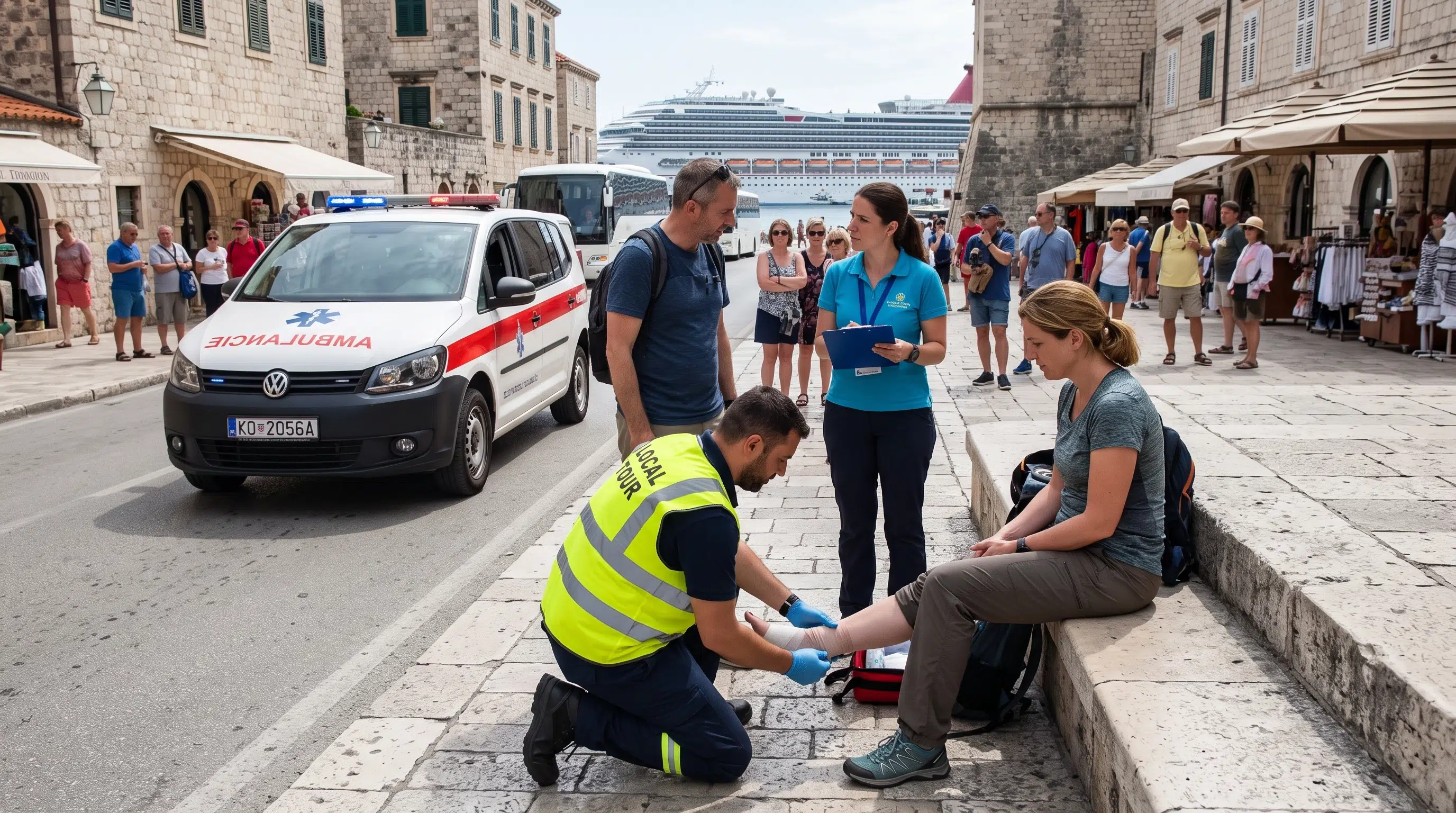
Shore excursions are sold on board, listed in the cruise line’s app and promoted alongside its own activities. When one goes wrong, many passengers are surprised to learn the cruise line says it isn’t responsible. The real answer is more complicated, and it depends on what the cruise line knew, what it promised and how the tour was sold.
What the cruise line tells you
Most passenger ticket contracts and excursion terms say that tour operators are independent contractors. In plain terms, the cruise line is saying the operator is a separate business, and the cruise line is not responsible for what that business does.
Courts often accept that the cruise line isn’t automatically liable for an operator’s carelessness. But that language usually covers only the operator’s mistakes. It does not erase the cruise line’s own duties to its passengers.
When the cruise line can still be responsible
Claims against the cruise line for an excursion injury usually focus on what the cruise line itself did or failed to do. The most common theories are below. Whether any of them fit depends on the facts.
Choosing or keeping an unsafe operator
Cruise lines decide which operators they sell. If a line chose an operator without checking its safety record, or kept selling a tour after earlier accidents or complaints, that decision can be the basis of a claim.
Failing to warn about known dangers
Cruise lines generally have a duty to warn passengers about dangers they know about, or should know about, in places where passengers are expected to go. That can include a risky activity, a vehicle in poor condition or a known safety problem at a port.
Making the tour look like its own
If the cruise line marketed the excursion in a way that led passengers to reasonably believe it was running the tour, courts may treat the operator as acting on the cruise line’s behalf. Brochures, app listings, staff statements and branded gear can all matter here.
Promises it didn’t keep
If the cruise line made specific promises about safety, equipment or supervision, failing to keep them may support a separate claim.
Why it matters how you booked
The way an excursion was booked often shapes who can be held responsible.
| How it was booked | What it usually means for a claim |
|---|---|
| Through the cruise line, on board or in its app | More ways to hold the cruise line responsible, since it chose, sold and profited from the tour |
| Directly with a local company | The claim usually focuses on that company, which may be harder to sue |
| Exploring a port on your own | The cruise line is usually responsible only for failing to warn about dangers it knew about |
Hurt on an excursion the cruise line sold you?
We can tell you who may be responsible and which deadlines apply. The call is free.
Holding the tour operator responsible
The company that ran the tour can be responsible for its own carelessness, such as unsafe driving, poorly maintained equipment or untrained guides. The challenge is usually practical rather than legal.
- Many operators are foreign businesses with no offices or assets in the U.S., which can make it difficult to bring them into an American court.
- Their own terms may apply. Some excursion tickets or waivers name a court, a country or a deadline of their own.
- Insurance may matter. Cruise lines often require operators they work with to carry insurance, which can affect whether a recovery is possible.
Because suing a foreign operator can be so difficult, the cruise line’s role is often the most important part of an excursion claim.
Deadlines and where to file
A claim against the cruise line for an excursion injury is often covered by the same passenger ticket terms as an onboard injury. Many tickets require written notice within six months and a lawsuit within one year, filed in the specific court the ticket names. Claims against a foreign operator may follow a different country’s rules and deadlines.
For more on how the ticket decides the court, see how your cruise ticket decides where you can sue.
What to do if you’re hurt on an excursion
- Get medical care. Keep every record and receipt, including care you get in port.
- Report it to the cruise line as soon as you’re back on board, at guest services or the shore excursion desk. Note who took the report.
- Write down the operator’s details: company name, guide or driver names, vehicle or boat numbers and the meeting point.
- Photograph the vehicle, equipment, location and your injuries.
- Collect witness contacts from other passengers on the tour.
- Keep the excursion ticket and receipt, plus screenshots of how the tour was described and sold.
- Don’t sign anything from the operator or the cruise line before getting advice.
Frequently asked questions
The cruise line says the tour operator is independent. Does that mean I can’t sue the cruise line?
Not necessarily. The independent contractor language usually protects the cruise line from being blamed for the operator’s mistakes. It does not always protect the cruise line from its own mistakes, such as choosing an unsafe operator or failing to warn about a danger it knew about.
Does it matter whether I booked the excursion through the cruise line?
Yes. When the cruise line sold, promoted and profited from the excursion, there are usually more ways to hold it responsible. If you booked directly with a local company, the claim usually focuses on that company, though the cruise line may still have had a duty to warn about known dangers.
Can I sue the local tour company in the United States?
Sometimes, but often not. Many operators are foreign businesses with no presence in the U.S., which can make it hard to bring them into an American court. Some carry insurance that cruise lines require, which can matter for recovery. An attorney can look at who the operator is and where it can be sued.
How long do I have to file a shore excursion claim?
A claim against the cruise line is often subject to the same ticket deadlines as an onboard injury, commonly six months for written notice and one year to file a lawsuit. Claims against a foreign operator may follow that country’s rules. Check both as early as possible.
I was hurt in port, but not on an organized excursion. Is the cruise line responsible?
It depends on the facts. Cruise lines generally have a duty to warn passengers about dangers they know about in places where passengers are expected to go. Outside that, the cruise line is usually not responsible for what happens on shore.
This article is for general information only and is not legal advice. Reading it does not create an attorney-client relationship. Every case depends on its own facts and the terms of the passenger ticket.
Hurt on a cruise?
Most cruise tickets give you one year to file. Talk to a maritime attorney about your case today.
Call (888) 866-5303Free and confidential
Related practice areas
More from the blog
All articles
What does “man overboard” mean on a cruise ship?
A man overboard call means a person has gone into the water and a search begins. Learn what the alert means, how a ship responds, and what witnesses and families should do.
What is the most common injury on a cruise ship?
Falls are among the most common injuries passengers report on a cruise ship. See what the research shows, where injuries happen, and how to lower your risk of injury.

Cruise Ship Medical Care: What the Line Owes You
After a cruise ship injury, the ship sails on and the clock starts. Learn what medical care the line owes you, what it does not cover, and when care falls short.