
What is the most common injury on a cruise ship?
Falls are among the injuries passengers report most, but they are not the only risk. Here is what the research shows, where injuries happen, and how to protect yourself and your claim.
TL;DR:
The short version of this guide
- Falls are among the most common injuries passengers report, and the studies we can cite point the same way.
- No complete count exists. Nobody can honestly name one injury as the definitive number one across every cruise line.
- Ships create their own risks: movement, wet surfaces, steep stairs and boarding small boats in open water.
- Attractions and illness are separate categories. Water slides, zip lines and outbreaks each raise different questions.
- You can lower your risk, and if you are hurt, what you do in the first day matters.
What is the most common injury on a cruise ship? Falls on wet or uneven surfaces are among the most common injuries passengers report, and the research we can point to supports that. We choose the words “among the most common” on purpose. No single public count covers every cruise line, so nobody can honestly name one injury as the definitive number one.
What we can do is walk through the injuries that come up again and again, explain why a ship creates risks that a hotel or a resort does not, and show you where each type is covered in more detail. If you are reading this because you were just hurt, you can go straight to what to do if you are hurt.
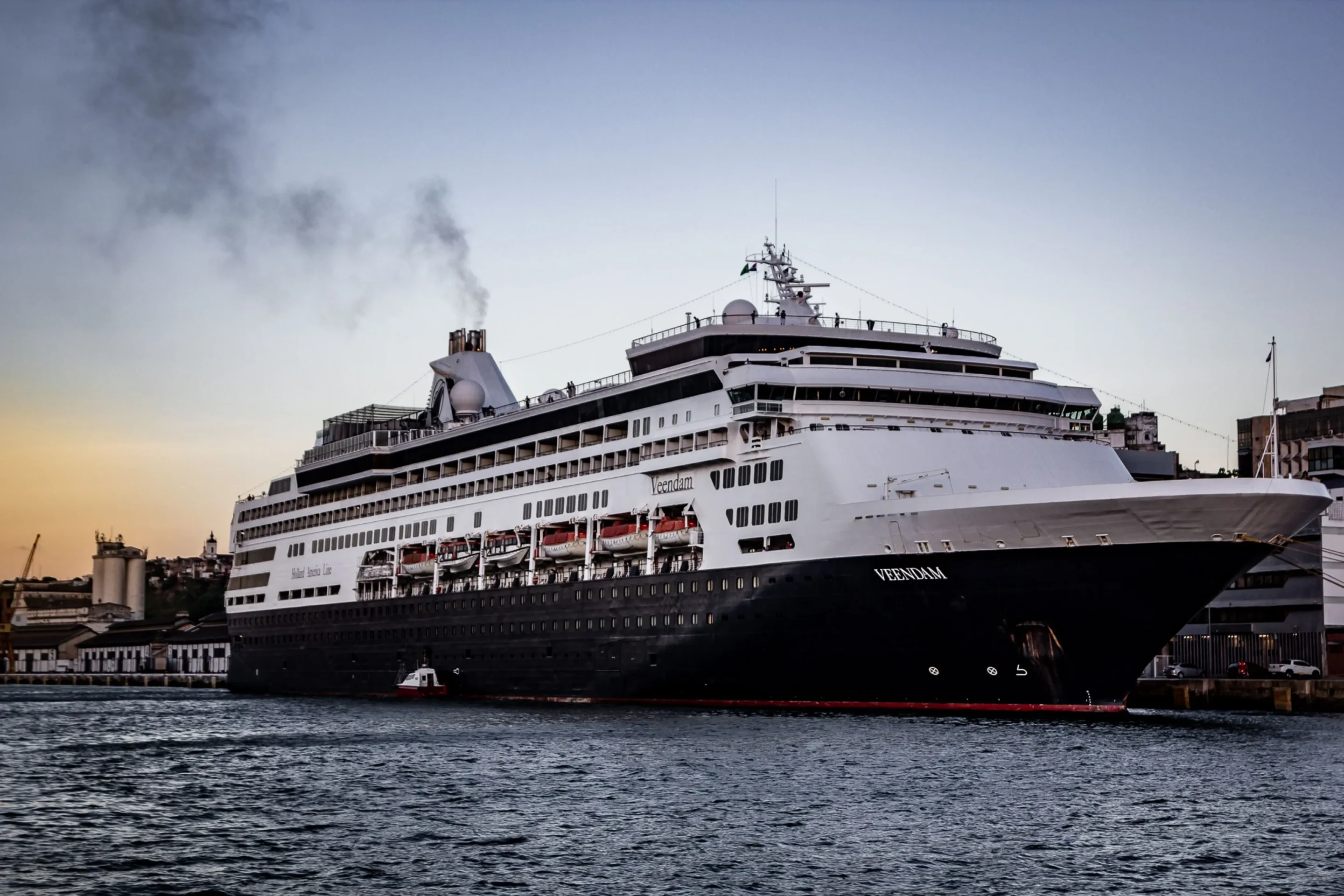
What the research says about the most common injury on a cruise ship
Two studies in a peer-reviewed journal, International Maritime Health, give a useful picture. They measure different things, so they should be read side by side rather than as one ranking.
| Study | What it looked at | What it found |
|---|---|---|
| International Maritime Health, 2010 | Three years of passenger injuries reported to the medical center of one medium-sized cruise ship | Slips, trips and falls caused about 45% of injuries aboard and about 69% of injuries ashore. Cabins and bathrooms were the most common places aboard. About 4% of injuries happened on tenders. |
| International Maritime Health, 2018 (Isom and colleagues) | 67 adult patients admitted to a U.S. trauma center after being hurt on a cruise ship | Ground-level falls were the most common cause, and fractures of the thigh bone (femur) were the most common injury, mostly among older passengers. |
Both studies have limits. The first covers one ship, and the second covers only passengers sick enough to be admitted to a hospital. Neither ranks every injury on every cruise line, and both are several years old. Still, they point the same way: falls feature prominently.
It is also worth keeping the numbers in proportion. In the three-year study, the injury rate was well under one injury per thousand passenger-days. Most cruises end without anyone being hurt. But millions of people sail every year, and when an injury does happen, the setting often makes it harder to document and prove.
Slips and falls on a cruise ship
A slip and fall on a cruise ship can happen almost anywhere passengers walk. The places we hear about most are pool decks, stairways, buffet and dining areas, wet walkways and exterior decks. The research also shows that ordinary places count too. In the three-year study, cabins and bathrooms were the most common locations for injuries aboard.
Why a ship is different
- Movement. A ship rolls and shifts, even when it feels calm. Your balance has to work harder than it does on land.
- Wet surfaces. Rain, spray, pool water, spills and humidity mean floors and decks are often damp, especially near pools, bars and buffets.
- Tight, steep stairs. Narrow stairways with uneven steps and high door thresholds are common, and they get crowded.
- Crowds and distractions. People carry trays, drinks and children, and they are looking at the view, not at their feet.
A fall can be an accident with no one to blame, or it can come from a hazard the cruise line should have fixed or warned about, such as a spill left unattended, worn flooring or a missing handrail. When the line is at fault, the injury may support a claim for a slip and fall on a cruise ship, and the difference often comes down to what the line knew and how quickly it acted.
Tender boat and gangway injuries
At some ports the ship anchors offshore and passengers go ashore on small boats called tenders. Boarding a tender means stepping from a moving ship, or from a platform, onto another moving boat, often in open water. Swells, wet steps, crowding and the gap between vessels all raise the risk, particularly for older passengers and anyone with limited mobility. Gangways between the ship and the pier can also be steep or slick, and they shift with the tide.
In the three-year study, only a small share of injuries happened on tenders, so we do not want to overstate how often it occurs. But when it does, the injury is often serious, because the fall can be onto a hard surface or into the water. A tender boat injury can also raise questions about how well the crew helped passengers across, how the boat was handled and what the conditions were at the time.
Pool, water slide and attraction injuries
Modern ships work like floating amusement parks, and the attractions bring the risks you would expect on land: speed, height, water and crowds. Injuries here usually raise questions about equipment, supervision and how well the rules were enforced.
- Swimming pool accidents often involve slippery edges, diving into shallow water and weak supervision, which can lead to head, neck and back injuries.
- Water slide injuries usually come from high speeds and tight turns, which can cause collisions, hard landings and spinal injuries.
- FlowRider surf simulator accidents tend to involve impact injuries when riders fall onto the hard surface.
- Rock climbing wall injuries are mainly about falls from height and harness or belay problems.
- Zip line accidents usually involve equipment failure, braking problems or poor supervision.
- Go-kart track injuries come from collisions and rollovers on onboard tracks, and they can be serious.
Other injuries passengers report
Beyond falls and attractions, passengers also report broken wrists, hips and ankles, head injuries and concussions, burns from hot surfaces, spas or spilled drinks, and cuts from broken glass or doors. Many of these are the result of a fall or a mishap, and the treatment and paperwork look much the same. What matters is where it happened and what caused it.
Illness is a separate category
Illness outbreaks on cruise ships, such as norovirus, are what many people think of first when they hear about problems on a cruise, but they are illnesses, not injuries. They are measured differently, and we are not ranking them against injuries here. If you want outbreak figures, look to the public health agencies that track them, such as the CDC’s Vessel Sanitation Program, rather than a law firm’s blog.
Hurt on a cruise and not sure what happened?
We can tell you whether the cruise line may be responsible and which deadlines apply. The call is free.
How to lower your risk of a cruise injury
None of this means a fall is your fault. Hazards belong to the people who control the ship. But a few habits do lower your risk, and they cost nothing.
- Wear shoes with grip. Flip-flops and smooth soles are a poor match for wet decks and steep stairs.
- Use the handrails, especially on stairs and when the ship is moving.
- Slow down on wet decks, around pools and near buffets, and watch for door thresholds.
- Be realistic about your balance in rough seas, at night and after a few drinks.
- Follow the rules at attractions, including height, weight and health limits, and ask staff if anything looks unsafe.
- Be careful boarding tenders. Wait for crew to help you across the gap, and ask for assistance if you need it.
What to do if you are hurt on a cruise
If you are injured, the first day matters more than most people expect. The ship moves on, crew and witnesses scatter, and your ticket sets deadlines that are far shorter than most people assume. Most of what protects a claim happens in the first 24 hours after a cruise injury: get medical care, report the injury to ship security or guest services, photograph the spot and your injuries, collect witness names and keep every document.
Your ticket, not the state where you live, usually decides where you can sue a cruise line and how quickly you must act.
Frequently asked questions
Are injuries on cruise ships common?
There is no complete public count across all cruise lines, so it is hard to say precisely. In one three-year study of a single ship, the injury rate was well under one injury per thousand passenger-days, so most passengers are not hurt. With millions of people sailing each year, injuries do happen, and falls are among the most frequently reported.
Is the cruise line always responsible when a passenger slips?
No. A fall alone does not make the cruise line responsible. In general, the question is whether the line knew or should have known about a dangerous condition and failed to fix it or warn passengers. Your own conduct can also affect a claim. The facts of each fall matter, so it is worth getting advice before assuming you do or do not have a case.
What should I do if I fall on a wet deck?
Get medical care first, even if you feel only sore. Report the fall to ship security or guest services and ask for a copy of any report. Photograph the spot, the conditions and your injuries, note any warning signs or lack of them, and collect the names of witnesses. Keep your ticket and receipts, and do not sign anything before getting advice.
This article is for general information only and is not legal advice. Reading it does not create an attorney-client relationship. Every case depends on its own facts and the terms of the passenger ticket.
Hurt on a cruise?
Most cruise tickets give you one year to file. Talk to a maritime attorney about your case today.
Call (888) 866-5303Free and confidential
Related practice areas
More from the blog
All articles
What does “man overboard” mean on a cruise ship?
A man overboard call means a person has gone into the water and a search begins. Learn what the alert means, how a ship responds, and what witnesses and families should do.

Cruise Ship Medical Care: What the Line Owes You
After a cruise ship injury, the ship sails on and the clock starts. Learn what medical care the line owes you, what it does not cover, and when care falls short.
Who to Notify and Who to Sue After a Cruise Injury
Hurt on a cruise? Tell the ship right away, then give the cruise line the written notice your ticket requires. We explain who to notify, who can be held responsible, and where a case has to be filed.